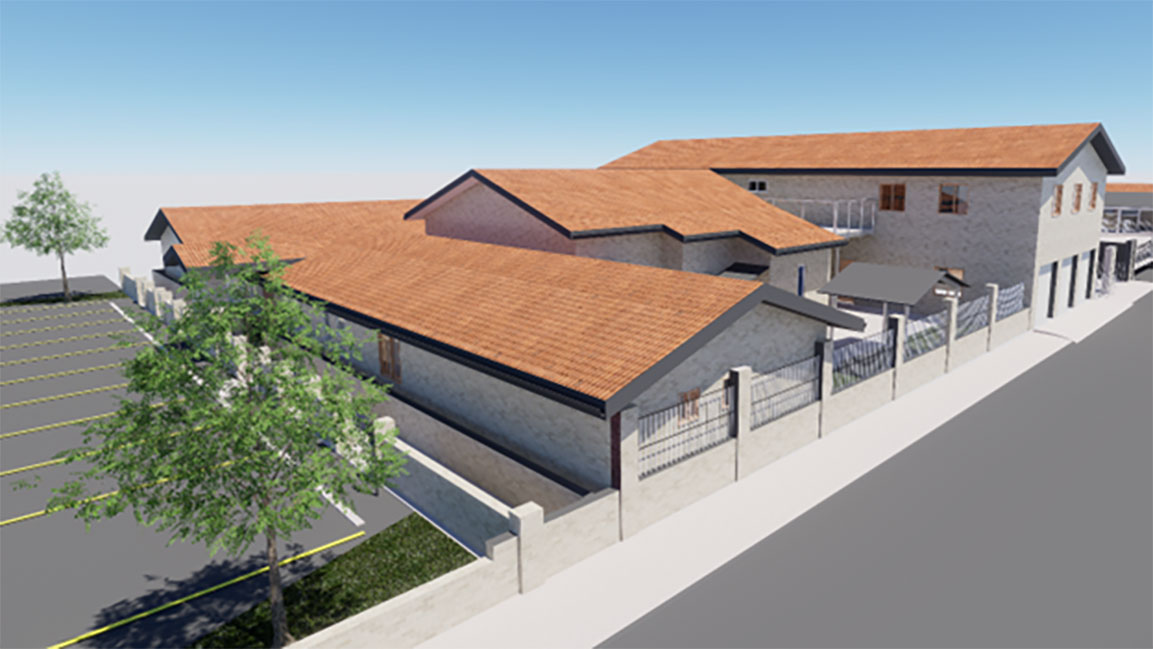
Casa Papa Francisco

Casa Papa Francisco Phase 2

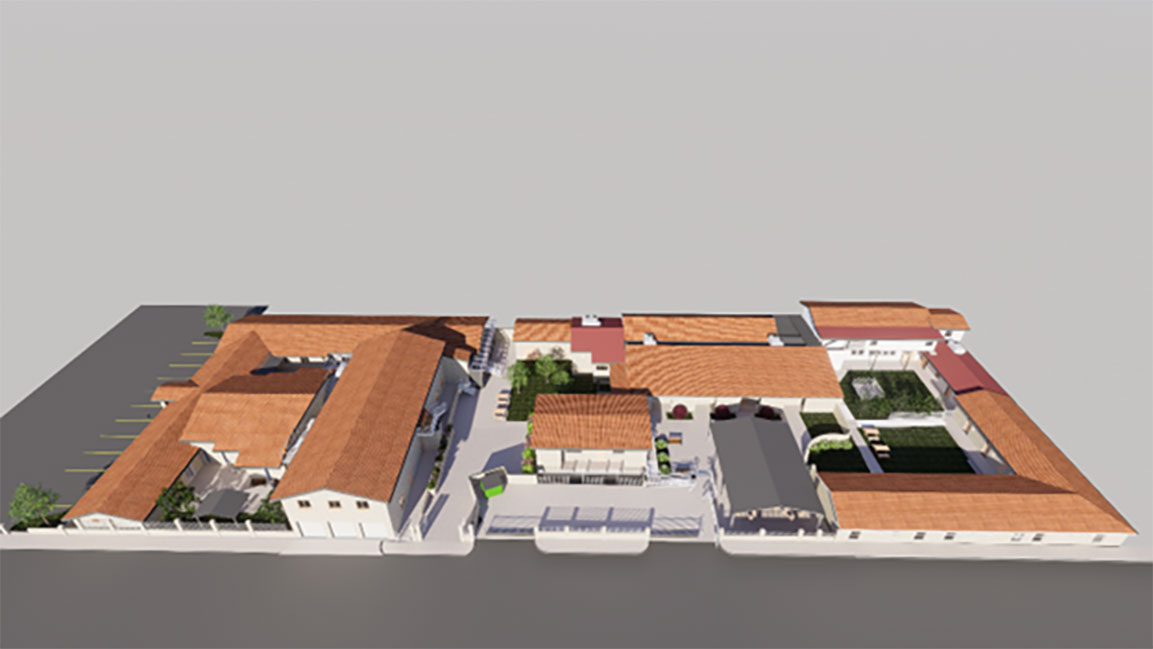
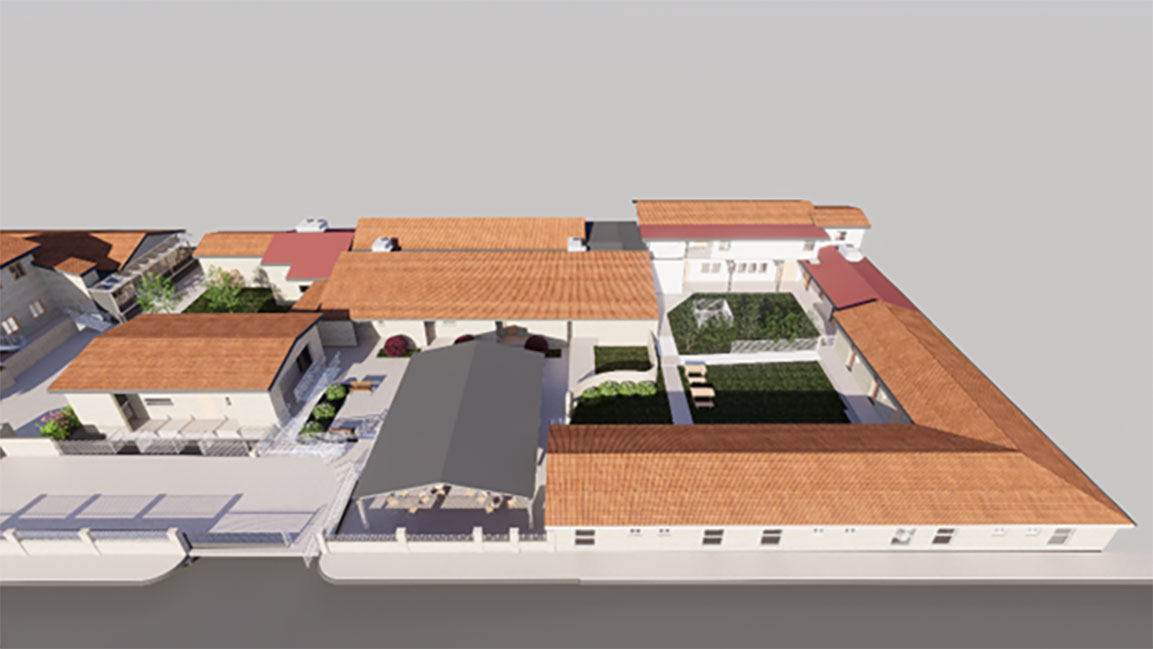
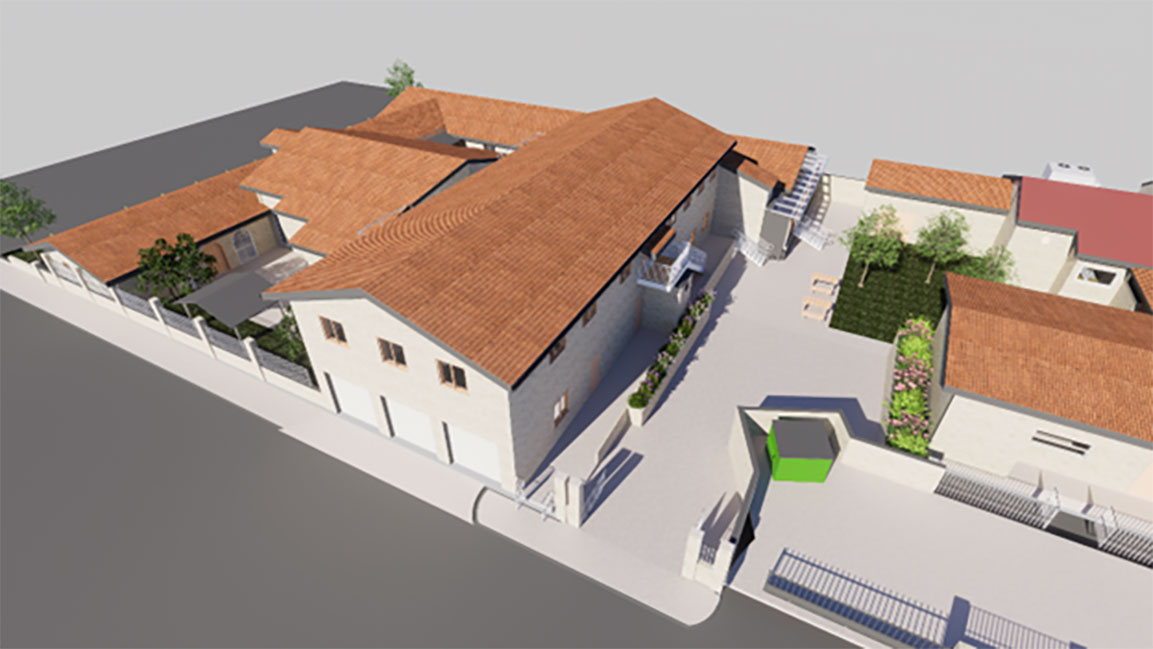
This is a new transitional and boarding home facility consisting of exterior and interior renovations to the former convent, transforming it into a two-story building that supports refugees and migrants. Improvements include repairing and patching existing finishes, installing new roofing and salvaged clay tiles, constructing new wood stud walls, updating all interior finishes, cabinets, windows, doors, and MEP systems, and adding new landscaping and irrigation. The facility provides temporary accommodation for migrants, students, and volunteers, with the church renovated to serve as a dining hall, enhancing the site’s overall functionality and community support.

Renovation and Rehabilitation Design

Our rehabilitation and renovation services focus on comprehensive restoration and upgrading of existing, often historic, structures to meet modern safety codes, elevate performance, and repurpose the building for new functional use.

View our Rehabilitation & Renovation services page >

MEP System Upgrade

Mechanical, Electrical, and Plumbing (MEP) system upgrades involve modernizing core utility systems, which is critical in renovation projects for improving energy efficiency, occupant comfort, and the overall lifespan of the building to meet current demands.

View our MEP Design services page >

Project Management

Our Project Management services oversee the construction lifecycle, ensuring adherence to the original design, managing subcontractors, and maintaining strict controls over budget and schedule to deliver the project efficiently.

View our Project Management services page >

Transitional and Boarding Home Facility

A residential facility designed to provide short-to-medium term housing and support services for individuals, such as refugees or migrants, helping them transition to permanent housing and self-sufficiency.

Former Convent

A building previously used as the residence for a community of religious women (nuns). These structures often feature sturdy construction and specific layouts (e.g., individual cells, large kitchens, chapels) that require unique architectural approaches for adaptive reuse.

Salvaged Clay Tiles

Roofing tiles made from baked clay that have been recovered from the original structure or a similar historic building for reuse. Utilizing salvaged materials helps maintain the historical aesthetic and sustainability of a renovation project.

Renovated Church/Dining Hall

The adaptive reuse of a former worship space into a large, communal dining facility. This transformation utilizes the church's existing high ceilings and open plan to create a functional and welcoming gathering space for residents and volunteers.